
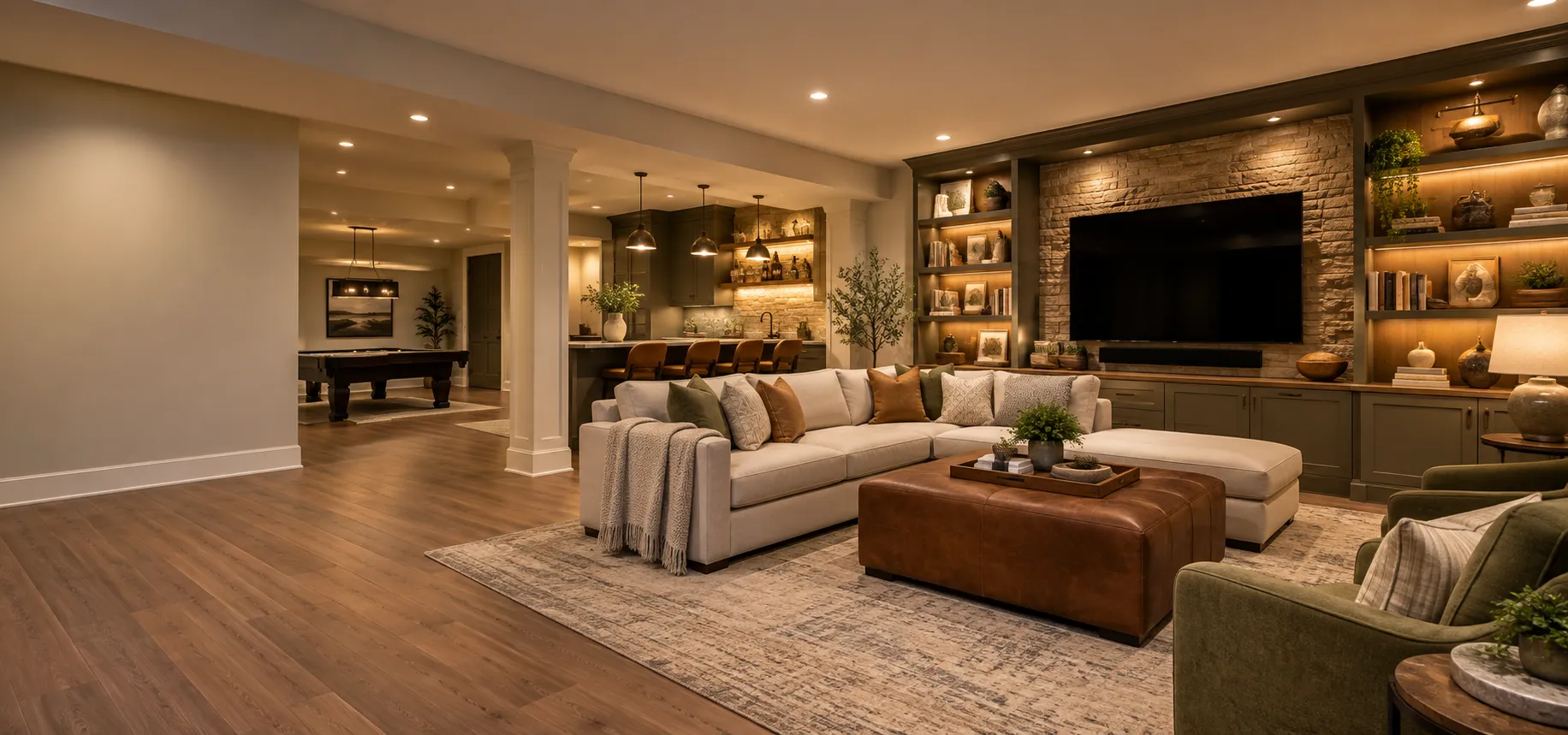
Basement Finishing in Marietta, GA
Make More of the Space You Already Have.
Imagine having room for family movie nights, a quiet home office or a comfortable place for guests. Explore ways to turn your unfinished basement into living space designed around the way you want to use it.
Explore Your Possibilities
Discover ways to turn unfinished basement space into rooms you'll actually use.
Plan Around Your Needs
Consider your preferred layout, daily activities and the features that matter most.
No-Obligation Inquiry
Share your basement finishing ideas without committing to a project.
Reach Out Anytime
Available 24/7 for calls and project inquiries.
What Could You Do With Your Basement?
A movie room for family nights. A quiet office away from everyday distractions. A welcoming space for overnight guests. Explore how your unfinished basement could become one of the most useful areas of your home.
Family Rooms and Entertainment
Create a comfortable space for movie nights, games, entertaining or simply spending time together. Think about seating, lighting, storage and how the room will connect with the rest of your home.
Home Offices and Flexible Spaces
Turn part of your basement into a quiet workspace, study area, hobby room or flexible space that can adapt as your household's needs change.
Guest Rooms and Bathrooms
A well-planned guest area can provide additional privacy and convenience. Consider the space, access, plumbing and other requirements involved when adding sleeping areas or a bathroom.
Storage and Multipurpose Rooms
Combine comfortable finished space with the practical storage your household needs. Plan areas for seasonal items, household equipment and everyday activities without sacrificing the room's overall appearance.
Is Your Basement Ready to Finish?
A few conditions shape what's possible in a basement. Checking them early helps you plan the right project and avoid surprises.
Signs of moisture
Look for damp spots, musty smells, stains on the walls or floor and water after heavy rain. Moisture problems usually need to be found and corrected before walls and flooring go in.
Ceiling height and obstructions
Measure from the floor to the ceiling joists, then note where ductwork, beams and pipes hang lower. These affect the layout, lighting and how open the finished room feels.
Stairs and access
Consider how people will get to the space and how furniture and materials will get down the stairs. A walkout door or wide stairway makes some uses easier.
Heating, cooling and ventilation
Think about how the finished rooms will stay comfortable year round. Adding living space may affect how your current system heats, cools and moves air.
Plumbing for a bathroom or bar
Note where the existing drains, water lines and any rough-in plumbing are. A bathroom or wet bar close to existing plumbing is usually simpler to plan.
Rooms that have requirements
A bedroom needs a safe way out in an emergency, and other rooms may have code requirements too. Check with City of Marietta Building Permits or Cobb County Residential Permitting, depending on where your home is.
What Goes Into Finishing a Basement?
Turning an unfinished basement into usable living space involves important decisions about the existing conditions, intended use and how the finished rooms will function.
Moisture and Existing Conditions
Before covering existing walls and floors, it's important to identify signs of water intrusion, persistent dampness or other conditions that may need attention. Addressing the underlying cause can help protect the finished space.
Layout and Ceiling Height
Structural elements, mechanical equipment, stairs and ceiling height can influence how the basement is divided into rooms. Plan around existing conditions while considering where people will walk, gather and spend time.
Comfort and Utility Planning
Heating, cooling, insulation, electrical systems, ventilation and lighting all affect how comfortable your basement will be. Considering these needs during planning may help avoid inconvenient changes later.
Plan Around How You'll Use Your Basement
Start by deciding what you want your finished basement to accomplish. Do you need a family room, a quiet office, guest accommodations or a combination of different spaces?
Think about which areas should be open, which activities need separate rooms and how much unfinished storage you'd like to preserve.
When you're ready to request a quote, share your ideas along with photographs, approximate dimensions and information about any known moisture problems or existing utilities.
Common Questions About Basement Finishing
Planning to finish your basement? Find answers to common homeowner questions about cost, construction time, moisture, layout and turning unfinished space into rooms you can enjoy.
How much does it cost to finish a basement in Marietta, GA?
Basement finishing costs in the Marietta and Atlanta area depend on the size and condition of the space, the number of rooms and the features you want to add.
Published Atlanta-area estimates suggest a broad planning range of approximately $30–$80 per square foot for basement finishing. For example:
- 500 square feet
- $15,000–$40,000
- 750 square feet
- $22,500–$60,000
- 1,000 square feet
- $30,000–$80,000
- 1,500 square feet
- $45,000–$120,000
An open family room may involve a different scope of work than a basement with multiple rooms, a new bathroom or a kitchenette. Moisture-related repairs and changes to existing utilities can also affect the cost.
These are general planning estimates, not a project quote. Your actual cost will depend on your basement's existing condition, the proposed work and your material selections.
How long does it usually take to finish a basement?
The construction timeline depends on your basement's size, existing condition and the rooms you're planning to create. These general planning ranges can help you get started:
- Small, straightforward project
- 3–6 weeks
- Basic open-plan basement
- 4–8 weeks
- Multiple rooms, a bathroom or structural changes
- 8–14 weeks or longer
Basements with new plumbing, several enclosed rooms or extensive custom features typically require more coordination than a simple open-plan finish.
These ranges refer to active construction. Design, material ordering, contractor availability and any applicable approval processes can add time before work begins.
Ask for a project-specific schedule before planning an event or other use of the finished space.
Can I finish my basement if it has moisture problems?
A basement with recurring dampness or water intrusion may need corrective work before finished walls, flooring or other materials are installed.
The important first step is identifying where the moisture is coming from rather than simply covering visible damage.
Have the underlying conditions assessed and discuss appropriate corrective options before beginning the finishing project.
Can I turn my basement into a bedroom?
A basement may be suitable for a bedroom, but the proposed room needs to be assessed for applicable safety and building requirements, including emergency escape and rescue provisions where required.
Available ceiling height, natural light, ventilation, access and the existing layout may affect what's possible.
Before planning a basement bedroom, confirm the requirements for your property's actual jurisdiction.
A Marietta mailing address does not always mean a property is inside city limits. Homes inside the City of Marietta are covered by City of Marietta Building Permits. Homes in unincorporated Cobb County are covered by Cobb County Residential Permitting, which also links to a tool for finding the jurisdiction of any Cobb County address.
Can I add a bathroom to my finished basement?
A basement bathroom may be possible, depending on the existing plumbing, available space and the proposed layout.
Adding a bathroom can involve additional drainage, water supply, ventilation and electrical work. The existing conditions will influence the project's scope.
A qualified remodeling professional can assess the space and help you explore practical options before finalizing your basement design.
What should I do about a low basement ceiling?
Low ceilings can affect room layout, lighting choices and how comfortable the finished space feels.
Before selecting a design, measure the available height and identify obstructions such as ductwork, beams and plumbing.
Depending on the existing structure, some services may be repositioned, but significant changes can add complexity and cost. A qualified professional should evaluate what is practical and whether the intended use meets applicable requirements.
To check the requirements that apply to your home, use City of Marietta Building Permits for properties inside city limits or Cobb County Residential Permitting for unincorporated Cobb County.
What type of flooring works well in a finished basement?
The best flooring depends on the existing slab conditions, your intended use, maintenance preferences and the amount of moisture the space may experience.
Luxury vinyl, tile, carpet and other materials offer different combinations of comfort, appearance and maintenance requirements.
Before choosing flooring, have any moisture concerns evaluated and review the manufacturer's installation requirements for the selected product.
How can I make my finished basement feel brighter?
Thoughtful lighting and finish selections can make a basement feel more welcoming, even when natural daylight is limited.
Consider a combination of overhead lighting, task lighting and softer accent lighting. Light-colored finishes and a layout that makes use of existing windows can also help.
Plan lighting around the activities that will take place in each area rather than relying on one type of fixture throughout the basement.
Can I finish only part of my basement?
Yes. You may prefer to create one comfortable living area while preserving other sections for storage, laundry or mechanical equipment.
A partial finish can be worth considering when you want additional usable space but don't need every part of the basement to be converted.
Think about access, future improvements and how the finished and unfinished areas will work together.
Will finishing my basement increase my home's value?
A finished basement may make your home more appealing by providing additional usable space, but the effect on resale value depends on the quality of the work, the finished layout and conditions in your local housing market.
Finished below-grade space may be measured or described differently from above-grade living area in appraisals and real estate listings.
Plan around how your household will use the space rather than assuming you'll recover the entire project cost when selling.
Do I need to have a complete basement design before requesting a quote?
No. You can begin by explaining how you'd like to use your basement and which features matter most.
You might have a detailed floor plan in mind, or you may simply want to explore whether the space could accommodate a family room, office, guest area or bathroom.
Photographs, approximate measurements and a list of priorities can help make the initial conversation more productive.
What information should I provide to get a basement finishing quote?
Start by describing the size and current condition of your basement and how you'd like to use the finished space.
If available, share photographs, approximate dimensions, a list of your preferred rooms or features and your desired timeline.
Mention known moisture problems, existing bathrooms, plumbing connections or other conditions that may affect the project.
You don't need to have every detail worked out before submitting an inquiry.
Remodeling Other Spaces Too?
A basement project is often part of a bigger plan for the house. Explore the other rooms we cover.
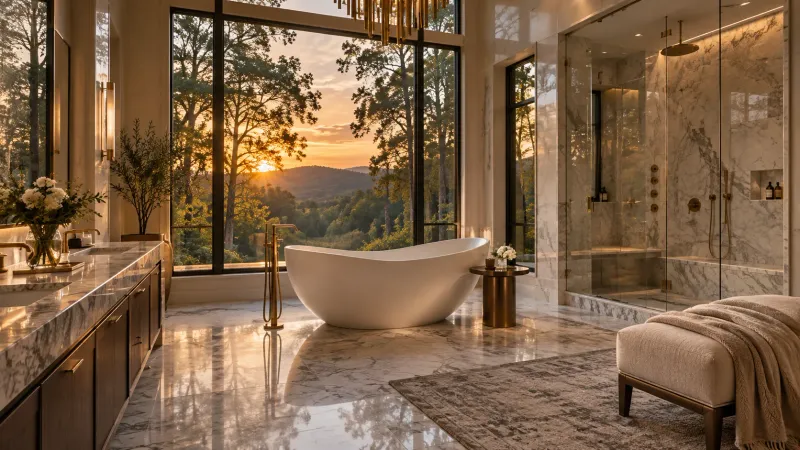
Bathroom Remodeling
Explore options for updating your bathroom's layout, fixtures, shower, bathtub, storage and finishes. Whether you have a specific vision or are still considering the possibilities, start by telling us what you'd like to change.
Explore Bathroom Remodeling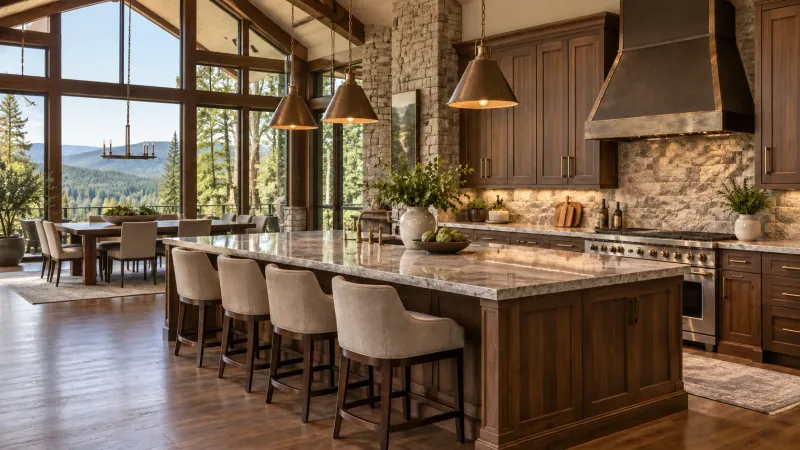
Kitchen Remodeling
A kitchen remodel can make everyday routines easier while giving one of your home's most important spaces a fresh look. Explore layout changes, cabinets, countertops, lighting and other improvements that fit your goals.
Explore Kitchen RemodelingHave a Basement Finishing Project in Mind?
Ready to explore the possibilities for your unfinished basement? Tell us how you'd like to use the space and which improvements matter most to you.